
Uluwatu is breathtaking. Between the dramatic cliffside views, world-class surf breaks, and the iconic temple sunsets, it is easy to fall in love with this corner of Bali. However, there is one thing every traveler and expat quickly learns: the heat is relentless. In the tropical climate of South Bali, humidity levels often soar, turning a quick walk to the beach into a sweat-drenched marathon for your wardrobe.
Keeping your clothes smelling fresh and feeling crisp can feel like a losing battle against moisture and bacteria. If you’ve noticed that “musty” smell lingering on your favorite linen shirt even after it’s dried, you aren’t alone. Here is a professional guide on how to maintain your wardrobe in the heat of Uluwatu.
Understanding the Bali Humidity Challenge
Before diving into the solutions, it is important to understand why your clothes struggle here. In Uluwatu, the air is thick with salt from the Indian Ocean and high moisture levels. When sweat gets trapped in fabric fibers in a humid environment, it becomes a breeding ground for bacteria. This is what creates that sour “damp” smell.
Standard air-drying often fails in Bali because the air is too saturated for moisture to evaporate quickly. If your clothes stay damp for more than a few hours, mildew begins to set in.
Smart Fabric Selection: The First Line of Defense
The battle for freshness starts before you even get dressed. Not all fabrics are created equal when the sun is beating down on the Bukit Peninsula.
-
- Linen: The undisputed king of tropical wear. It’s highly breathable and dries much faster than cotton.
- Lightweight Cotton: Stick to “Pima” or organic cotton. Avoid heavy denim, which retains moisture and takes forever to dry.
- Moisture-Wicking Synthetics: If you are hitting the gym or surfing, high-quality athletic wear designed to pull sweat away from the skin is essential.
- Rayon/Viscose: These are popular in Bali boutiques for a reason, they are thin, breathable, and feel cool against the skin.
Daily Habits to Prevent Odor Buildup
How you handle your clothes after wearing them is just as important as how you wash them.
1. Never Leave Damp Clothes in a Pile
This is the golden rule of Bali living. If you’ve spent the day sweating or coming back from a swim, do not throw your clothes into a dark laundry basket. Hang them up in a well-ventilated area or under a fan first. Trapping damp clothes in a pile for even 12 hours can lead to permanent odor issues.
2. The Power of Air Circulation
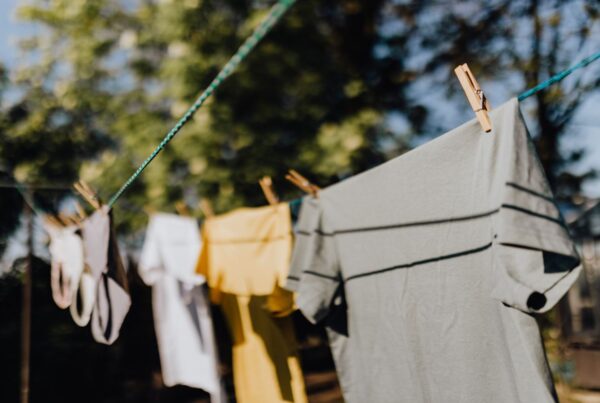
If your accommodation has a balcony, use it. However, avoid direct, harsh midday sunlight for colored fabrics as the UV rays in Bali are strong enough to bleach your clothes in a single afternoon. If you are staying in a villa, keeping the AC on “Dry Mode” can help pull excess moisture out of the air and your hanging garments.
3. Use Natural Deodorizers
A small spray bottle with a mix of water and a few drops of tea tree or lavender oil can work wonders. Lightly misting your clothes can kill surface bacteria and keep things smelling fresh between deep cleans.
Professional Care vs. Home Washing
While doing a quick hand wash in your villa sink might seem convenient, it rarely gets the salt and deep-seated sweat out of the fibers. This is where professional help becomes a game-changer.
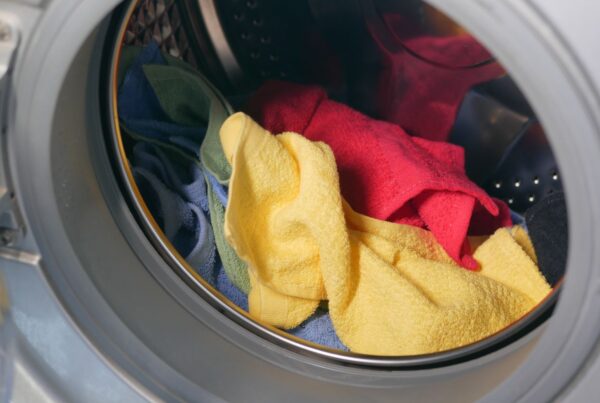
Using a laundry service Seminyak or Uluwatu-based specialist ensures that industrial-grade drying processes are used, which effectively kills bacteria that a simple hang-dry won’t touch.
Why Temperature and Drying Matter
In a tropical environment, “cold wash” isn’t always enough to break down the oils from sunblock and sweat. Professional services use regulated temperatures and high-velocity drying to ensure that every fiber is bone-dry before the clothes are folded and packed.
| Feature | Home Washing in Bali | Professional Laundry Service |
| Drying Method | Air-dry (High humidity) | High-temp Tumble/Press |
| Bacteria Removal | Low | High |
| Stain Treatment | Limited | Specialized (Sunblock/Red Soil) |
| Convenience | Time-consuming | Pickup & Delivery |
Managing the “Uluwatu Red Dust”
If you’ve traveled along the backroads of Uluwatu, you know the iconic red soil. This dust is incredibly fine and clings to sweaty clothes, turning a white tee orange in minutes.
To handle this, don’t rub the dust into the fabric. Shake the garment vigorously while dry, then rinse with cold water before a deep clean. For those on a tight schedule, searching for an express laundry near me is the best way to ensure those stains don’t become permanent residents in your clothes.
Finding the Right Support
Maintaining a fresh wardrobe shouldn’t take away from your holiday time. If you are staying near the cliffs, finding a reliable laundry Uluwatu allows you to outsource the stress of humidity management.
Look for services that offer vacuum-sealed packaging, which is a secret weapon for keeping clothes fresh if you are traveling to your next destination.
FAQ
Q: How often should I wash my clothes in Bali?
A: Due to the high sweat levels and bacteria growth, it is recommended to wash “first-layer” clothes (t-shirts, underwear, gym gear) after every single wear. Items like denim or jackets can last longer if kept in an air-conditioned room.
Q: Why do my clothes smell like vinegar/sour after dry?
A: This is usually caused by “slow drying.” Because the humidity is high, the clothes stay damp for too long, allowing bacteria to grow. Using a professional dryer is the best solution.