
Stepping off a plane into the balmy, flower-scented air of Bali is a dream come true, but your wardrobe might feel the “culture shock” sooner than you do. In a landscape defined by high humidity, salt spray, and tropical heat, the clothes we wear, typically linen, silk, and fine cottons require more than just a quick rinse.
To keep your premium island wear looking sharp and feeling breathable, you need a strategy. Tropical fabrics are delicate by nature; they are woven to let air in, but that loose weave also makes them vulnerable to damage from sweat, sunblock, and improper washing. Here is everything you need to know about maintaining your favorite tropical pieces.
Why Tropical Fabrics Need Special Attention
The very qualities that make linen or silk comfortable in the heat, their lightness and natural fibers also make them prone to shrinking, yellowing, or losing their shape. Unlike heavy synthetics, natural tropical fibers are highly absorbent. They soak up perspiration and environmental moisture, which can lead to fiber breakdown if not treated correctly.
If you are spending your days exploring the cultural heart of the island, you might find that your clothes collect dust and humidity faster than expected. Utilizing a professional laundry Ubud can help ensure these delicate items are handled with the specific care they require.
Mastering the “Big Three”: Linen, Silk, and Cotton
1. The Art of Caring for Linen
Linen is the ultimate tropical fabric. Made from flax fibers, it is incredibly durable and becomes softer with every wash. However, it is notorious for wrinkling and can become “crispy” if dried too harshly.
- Wash: Use lukewarm water. Hot water can shrink linen fibers permanently.
- Detergent: Opt for a mild, liquid detergent. Powder can sometimes get trapped in the thick fibers of a heavy linen weave.
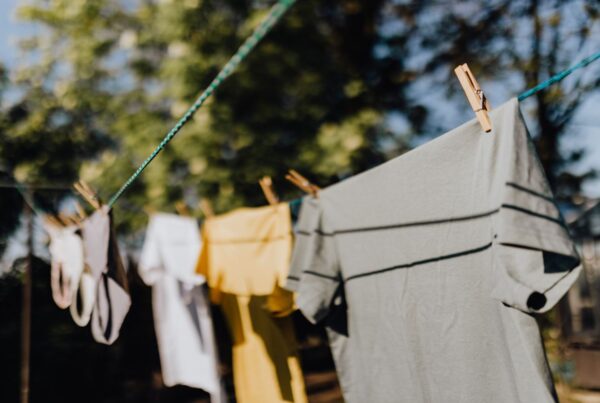
- Drying: Never wring linen. Lay it flat or hang it while damp to let gravity pull out the wrinkles.
2. Silk: Handle with Extreme Care
Silk is the most breathable luxury fabric, but it is also the most temperamental in Bali. Sweat and deodorant can cause permanent staining and “shattering” of the silk silk fibers.
- Avoid the Sun: Never hang silk in direct sunlight. The UV rays in Bali act like bleach, causing colors to fade and the fabric to become brittle.
- Washing: Hand washing is best, but if you’re on holiday, it’s safer to look for a specialized laundry service that understands “dry clean only” labels.
- Storage: Avoid wire hangers, which can leave permanent marks on silk shoulders.
3. Lightweight Cotton and Voile
High-thread-count cotton is a staple for island life. While more resilient than silk, fine cotton can easily lose its bright white or vibrant Balinese print if washed with harsh chemicals.
Comparison of Care: Tropical Fabric Guide
| Fabric Type | Breathability | Best Wash Temp | Drying Method | Ironing Tip |
| Linen | Highest | 30-40°C | Air dry / Damp | Iron while wet |
| Silk | High | Cold | Shadow / Indoors | Steaming is best |
| Cotton | Medium-High | 30-40°C | Tumble low/Air | Regular steam iron |
| Rayon | Medium | Cold | Flat dry | Low heat only |
Pro-Tips for Longevity in the Tropics
Combatting the “Yellowing” Effect
White linens and cottons often turn yellow in the tropics. This isn’t just dirt; it’s a chemical reaction between your sweat, sunblock, and the minerals in the water. To prevent this, rinse your collars and underarm areas as soon as you take the garment off. Don’t let the sweat sit for days in a laundry bag.
The Salt Factor
If you’ve spent the afternoon watching the waves, your clothes are likely coated in a fine layer of sea salt. Salt is “hygroscopic,” meaning it pulls moisture from the air. This keeps your clothes feeling slightly damp and “tacky” even if they look dry. A fresh-water rinse is essential before a full wash to remove these crystals. If you are staying south, a quick trip to a laundry Jimbaran specialist will ensure the salt is completely flushed out of the weave.
Avoiding “The Musty Smell”
Humidity is the enemy of freshness. If your clothes don’t dry quickly (within 4-6 hours), bacteria will begin to grow, resulting in that sour smell. In Bali, air-drying is often insufficient during the rainy season. Using a professional dryer on a low-heat setting is actually safer for the fabric than letting it sit damp for 24 hours.
When to Seek Professional Help
While hand-washing a sarong is easy, your high-end linen suits, silk dresses, and delicate embroidery deserve professional equipment. Professional services use pH-balanced detergents and controlled drying environments that protect the integrity of the fibers while ensuring they are 100% dry and bacteria-free.
FAQ
Q: Why did my linen shirt shrink?
A: Linen shrinks when exposed to high heat, either in the wash water or a high-heat dryer setting. Always use lukewarm or cold water and “low heat” or “air dry” settings.
Q: How do I get sunblock stains out of my cotton white t-shirt?
A: Avoid bleach! Bleach can actually react with the chemicals in sunblock and make the stain brighter yellow. Use a dish soap pre-treatment or a dedicated oxygen-based stain remover.
Q: Is it okay to use a steamer on tropical fabrics?
A: Yes! Steaming is actually much better for silk and linen than traditional ironing, as it doesn’t crush the fibers and reduces the risk of burning the fabric.