
There is nothing quite like a high-intensity workout in a tropical paradise. Whether you are smashing a CrossFit session in Canggu, hitting a beachside running trail, or practicing power yoga in a humid studio, the endorphin rush is unmatched.
But paradise comes with a hidden tax: the state of your workout gear afterward.
In a tropical climate, a standard sweat session turns into a full-on soaking. If you throw those damp clothes into a gym bag or a dark laundry basket and forget about them, you are inviting a biological disaster. Within hours, your premium activewear can become a breeding ground for bacteria, leading to stubborn odors that seem impossible to wash out.
Here is exactly how tropical training ruins your expensive gear, and how you can save it.
Why Tropical Sweat is a Nightmare for Activewear
To understand how to protect your clothes, you need to understand what happens to them when you sweat in a humid environment. Most modern gym wear is made from synthetic fabrics like polyester, nylon, and spandex. These materials are fantastic for performance because they are lightweight and stretch easily, but they have a major flaw: they love oil and hate water.
When you train in a hot, humid environment, your body releases a mix of water, salts, and sebum (body oils). The synthetic fibers trap these oils deep within their weave.
The Science of the “Gym Stink”
The sweat itself doesn’t actually smell. The culprit is a bacterium called Staphylococcus hominis, which lives on human skin. This bacteria feasts on the compounds found in your sweat and body oils.
When you leave damp gym gear in a warm, dark, humid environment, like a zipped gym bag in the tropical heat, you create the absolute perfect incubator. The bacteria multiply exponentially, breaking down the sweat molecules and releasing thioalcohols, which are responsible for that pungent, sour gym odor.
The Do’s and Don’ts of Managing Damp Fitness Gear
Taking care of activewear in a tropical destination requires a different strategy than it does in cooler climates. Here is a quick guide to keeping your gear fresh.
| What to Do | What to Avoid |
| Air it out immediately: Hang your damp clothes up to dry if you cannot wash them right away. | Leave it bundled up: Never leave wet clothes rolled up in a gym bag or laundry pile. |
| Rinse after use: Give your gear a quick rinse in plain water to remove excess salt and sweat. | Use fabric softener: Softeners leave a coating that traps bacteria and ruins moisture-wicking properties. |
| Wash in cold water: Protect the elastic fibers and prevents heat from locking in odors. | Use high heat: Avoid hot water washes and hot dryer cycles, which bake smells into synthetics. |
Step-by-Step Guide: How to Properly Clean Tropical Workout Gear
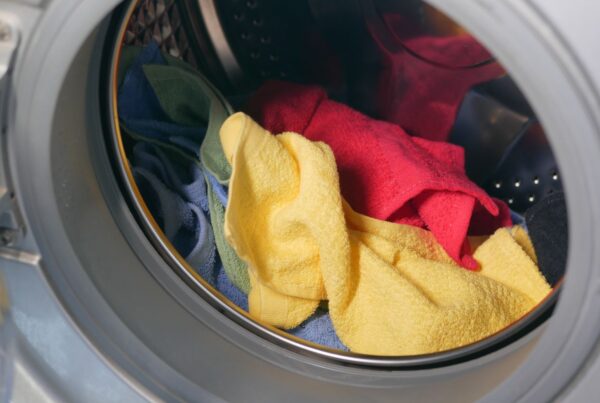
If you want your high-end performance wear to last, you need to establish a post-workout laundry routine. Follow these steps to ensure your clothes stay odor-free and functional.
1. The Immediate Post-Workout Rinse
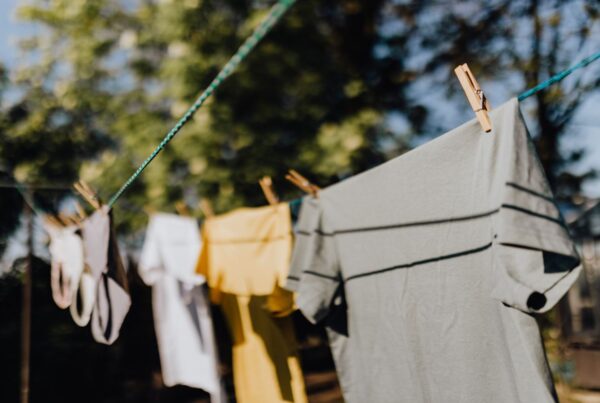
If you cannot wash your clothes immediately after a workout, take them into the shower with you. Rinse them thoroughly under cold water to flush out the salt, sweat, and surface bacteria. Wring them out gently and hang them up in a well-ventilated area or under a fan. This simple step prevents the bacteria from starting the decomposition process.
2. Ditch the Fabric Softeners
It is tempting to pour extra fabric softener into the wash to combat odors, but this actually makes the problem worse. Fabric softeners leave a microscopic, waxy film over the fibers. This film blocks the moisture-wicking capabilities of the fabric and effectively seals the bacteria and body oils inside, making it even harder to clean them in future washes.
3. Use the Right Detergent and Additives
Standard detergents are designed to clean natural fibers like cotton, not tightly woven synthetics. Look for an enzyme-based sports detergent that specifically breaks down plant and animal fats (like body oils).
Pro Tip: If your clothes already have a lingering funk, soak them in a mixture of one part white vinegar to four parts cold water for 30 minutes before washing. Vinegar is a natural disinfectant that kills odor-causing bacteria without damaging the fabric.
4. Opt for Professional Care When Traveling
When you are on holiday or living a busy expat life, you might not have the time, equipment, or space to properly manage your laundry. Utilizing a professional service can save your clothes from ruin. For those staying or training in the southern tech and tourism hubs, you can rely on an express laundry Bali service to get your gear washed, dried, and deodorized quickly.
If you are based further down the coast near the resort areas, scheduling a pickup with a trusted laundry Nusa Dua provider ensures your technical fabrics get the delicate handling they need. Similarly, if you are staying near the surf breaks, a dedicated laundry Jimbaran service can handle the heavy lifting after a sweaty day of training or surfing.
FAQ
Q: Why do my gym clothes smell clean when wet but stink as soon as I start sweating?
A: This is a classic sign of “retained odor.” Standard washing removes the surface dirt, but the deeply embedded body oils and bacteria remain trapped by the synthetic fibers. When your body heat and fresh sweat warm up the fabric, it reactivates the trapped bacteria, bringing the old smell right back to life.
Q: Can I put my workout clothes in the dryer?
A: It is highly recommended to air-dry your activewear, preferably in a shady area with good airflow. High heat from dryers damages the spandex and elastic fibers, causing your clothes to lose their shape and fit. Furthermore, if any bacteria survived the wash cycle, the heat of the dryer will essentially bake the odor into the fabric permanently.
Q: How often should I wash my sports bras and gym shorts?
A: You should wash them after every single use, especially in tropical climates. While you might get away with wearing a pair of sweatpants twice in a cold climate, the sheer volume of sweat and bacteria generated during a tropical workout means a single wear is enough to cause bacterial buildup.