
Living or vacationing in Bali is often described as paradise, but the island’s tropical climate presents a unique set of challenges for your wardrobe. With humidity levels often hovering between 70% and 90%, moisture is a constant companion.
Without a proactive approach, your favorite cotton shirts, linens, and swimwear can quickly fall victim to that unmistakable “musty” smell, or worse, permanent mildew damage.
Maintaining freshness in the tropics isn’t just about washing clothes; it’s about managing moisture at every stage of the garment’s life, from wearing and storing to professional care. Here is your comprehensive guide to keeping your clothes pristine in the Bali heat.
Understanding the Humidity Factor
In Bali, the air is thick with water vapor. This moisture gets trapped within the fibers of fabric, creating a breeding ground for bacteria and fungi. Standard air-drying often takes too long, allowing that damp odor to settle in before the clothes are even dry. To combat this, you need a strategy that prioritizes airflow and moisture extraction.
1. Choose the Right Fabrics for the Climate
Freshness starts with what you buy. Synthetic fabrics like polyester trap sweat and heat against your skin, leading to faster bacterial growth. To stay fresh longer, opt for:
-
Linen: The king of tropical wear. It absorbs moisture and dries much faster than cotton.
-
Lightweight Cotton: Breathable and natural, though it does hold onto water longer than linen.
-
Bamboo: Naturally antibacterial and incredibly soft, making it ideal for the humid heat of the Bukit Peninsula or the lush jungles of Ubud.
2. Master the Art of Air Circulation
One of the biggest mistakes people make in Bali is overstuffing their wardrobes. When clothes are packed tightly together, air cannot circulate. This traps humid air between garments, leading to “closet sweat.”
Practical Storage Tips:
-
Leave Gaps: Ensure there is at least an inch of space between hangers.
-
Use Dehumidifiers: Small silica gel packs or hanging moisture absorbers (widely available in local supermarkets) are essential for every closet.
-
Open the Doors: Every morning, leave your wardrobe doors open for an hour while your room’s air conditioner or fan is running to let fresh, dry air circulate.
3. Don’t Let Damp Clothes Sit
If you’ve spent the day exploring or surfing, your clothes will be damp with either sweat or saltwater. Never throw these directly into a laundry basket. A pile of damp clothes in a plastic bin is a recipe for mildew within 12 hours. Instead, hang used clothes on a drying rack for a few hours before placing them in the hamper.
For those staying in the south of the island, utilizing a professional laundry service in Nusa Dua can be a lifesaver. High-end services use industrial dryers that reach temperatures high enough to kill bacteria that household air-drying simply can’t touch.
4. The Benefits of Professional Drying
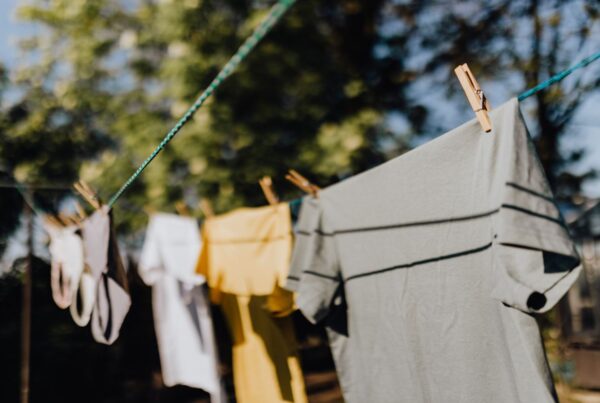
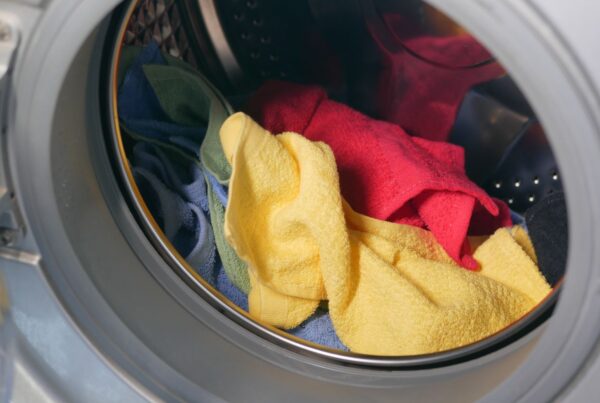
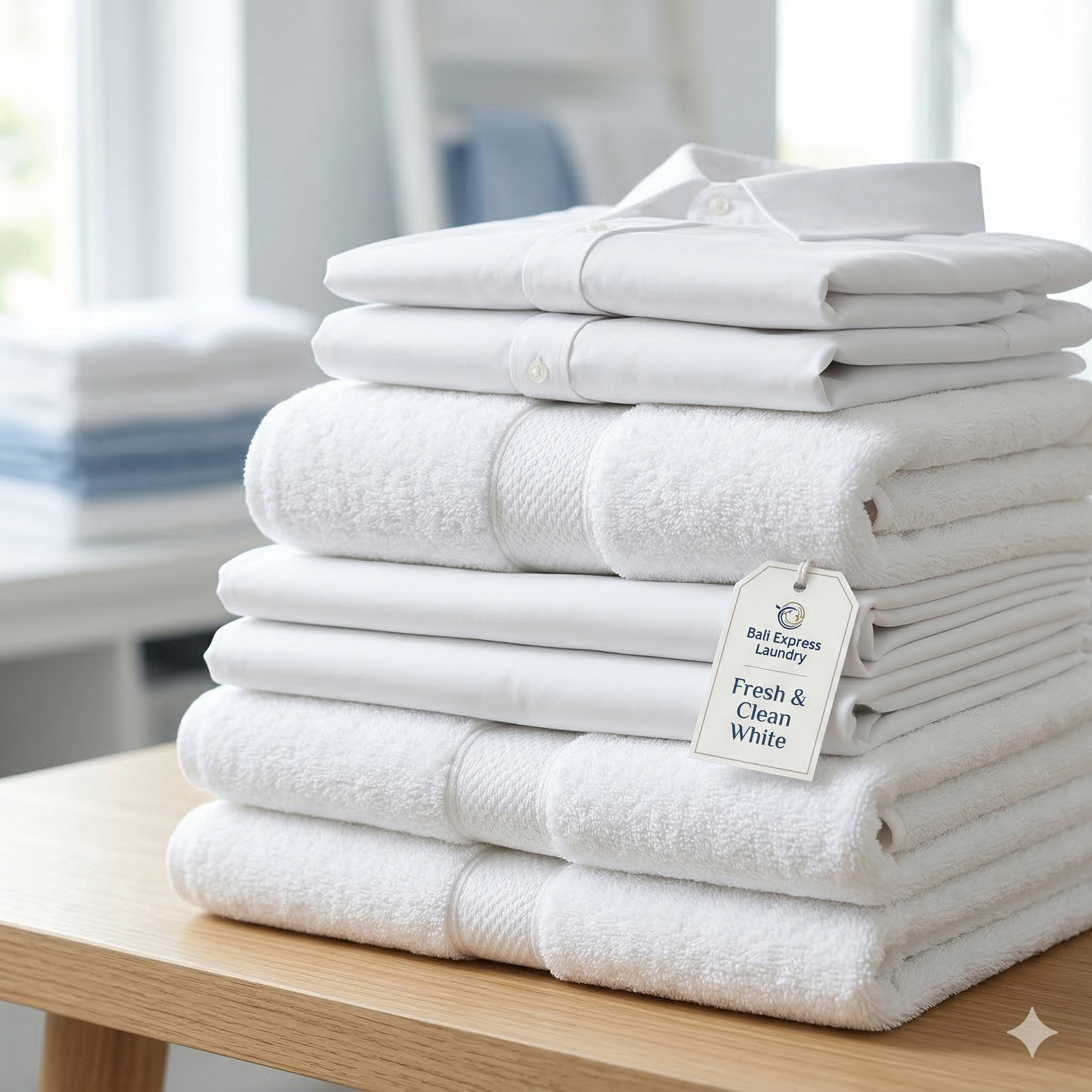
While it’s tempting to hang clothes out in the Bali sun, the high humidity means drying can take a full day. During the rainy season, it might not happen at all. Professional laundry facilities use specialized equipment to ensure garments are 100% bone-dry before they are folded.
| Method | Pro | Con |
| Line Drying | Eco-friendly, natural UV disinfection. | High risk of “musty” smell due to slow drying; fabric stiffness. |
| Indoor Fan Drying | Protection from rain. | Increases room humidity; very slow. |
| Professional Drying | Guaranteed dryness; softens fibers; kills bacteria. | Small additional cost. |
If you are based in the heart of the bustling cafe scene, finding a reliable laundry in Canggu ensures that your delicate items are handled with the correct heat settings, preventing the shrinkage often associated with DIY drying.
5. Use Vinegar as a Natural Deodorizer
If your clothes have already developed a faint damp smell, standard detergent might not be enough. Try adding half a cup of white vinegar to the rinse cycle.
Vinegar is an excellent natural disinfectant that breaks down the bacteria causing the odor without damaging the fabric. Don’t worry, the vinegar scent disappears once the clothes are dry.
6. Rotation and Maintenance
In Bali, you should rotate your clothes frequently. Avoid wearing the same denim or heavy fabric two days in a row. Give the material time to “breathe” and release any absorbed moisture.
For travelers staying in luxury villas or resorts, a quick turnaround is often necessary. Accessing a laundry service Seminyak allows you to keep your vacation wardrobe fresh without having to pack double the amount of clothing.
Summary of Freshness Tactics
To recap, keeping your wardrobe in top shape requires a blend of smart storage and professional intervention:
-
Ventilate your storage spaces daily.
-
Avoid the “hamper trap”—dry clothes before tossing them in the bin.
-
Invest in moisture absorbers for your closet.
-
Leverage professional dryers to ensure deep-down dryness.
By following these steps, you can enjoy everything Bali has to offer from the beaches to the vibrant nightlife while looking and smelling your best.
FAQ
Q: Why do my clothes smell musty even after I wash them?
A: This usually happens because the clothes took too long to dry. In high humidity, bacteria begin to grow on wet fabric before the water evaporates. Using a professional dryer or ensuring maximum airflow during drying is the only way to prevent this.
Q: Can the Bali sun damage my clothes while drying?
A: Yes. While the UV rays are great for killing bacteria, the intense Bali sun can fade colors and make natural fibers like cotton feel “crunchy” or stiff. Drying in the shade with high wind or using a professional tumble dryer is often better for garment longevity.