
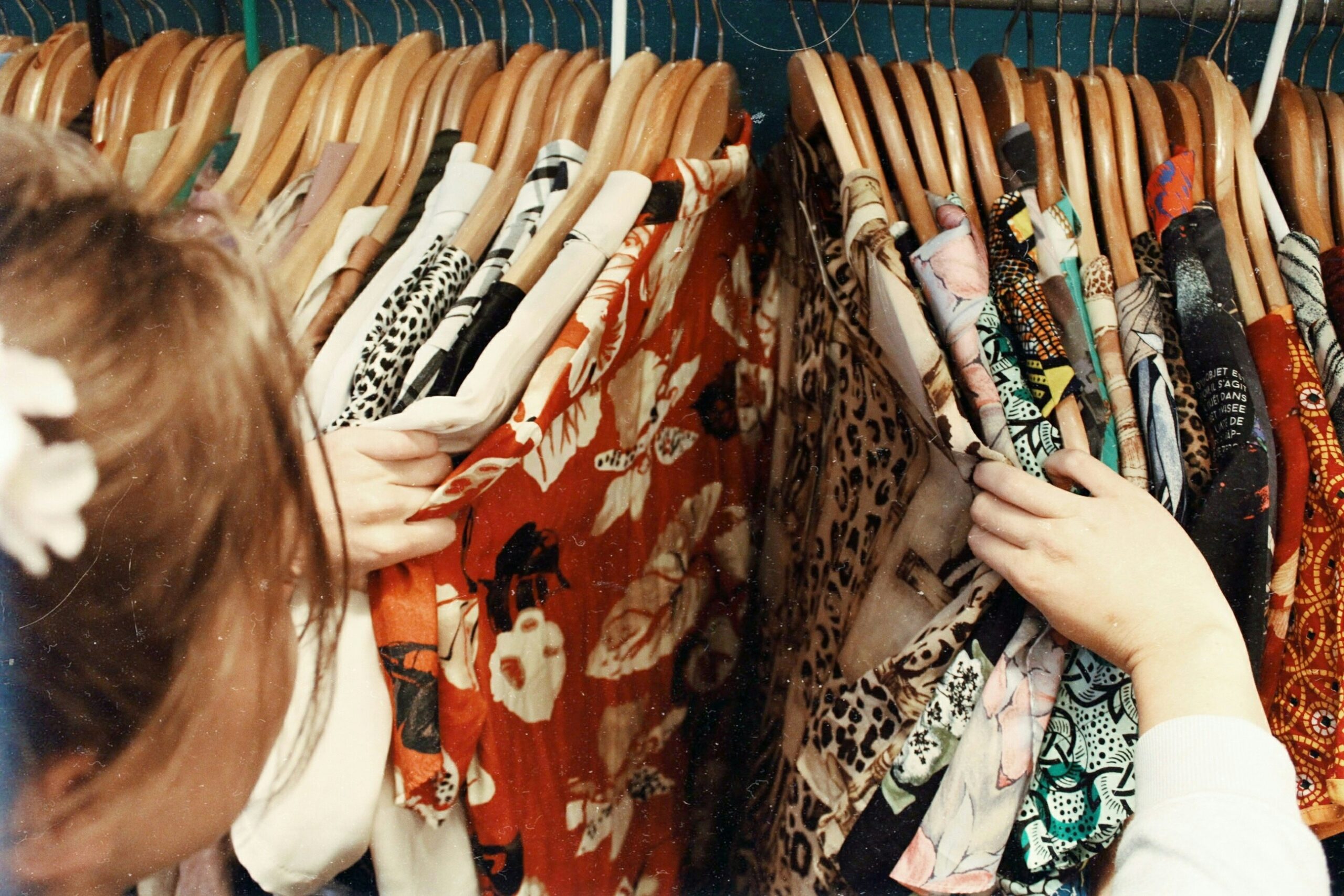
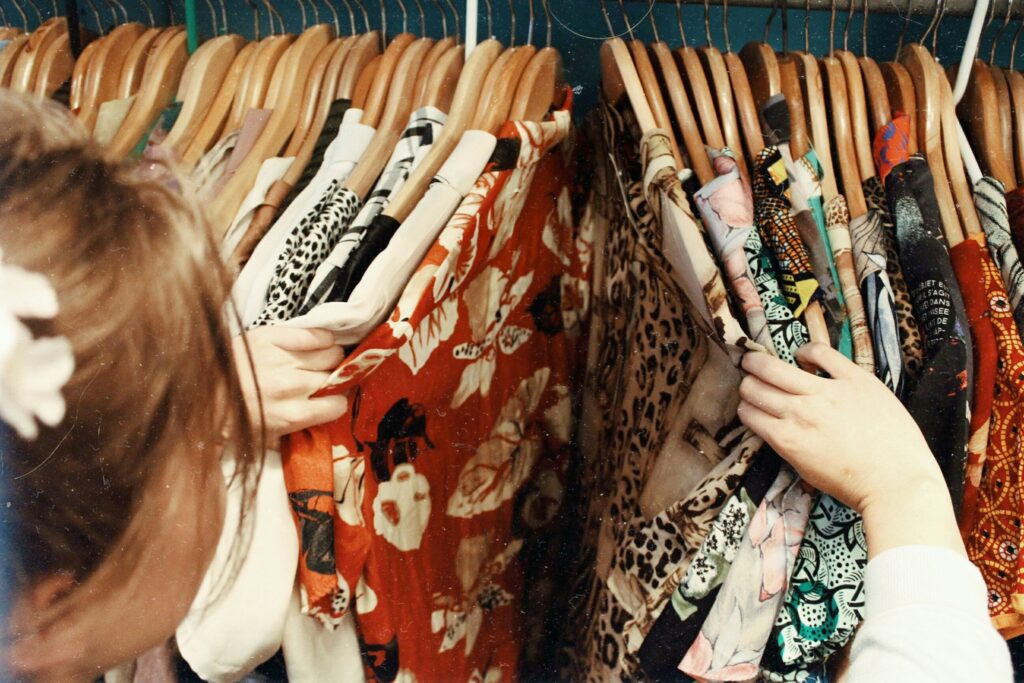
Scoring unique vintage clothes and local market textiles is a highlight of traveling. However, these unique items always require extra attention. Whether you just picked up a rare 1970s embroidered shirt or a delicate piece of local woven art, bringing these treasures home comes with a unique challenge. This post explains the best approach for cleaning vintage and thrifted finds. In addition, we will focus on how specialized fabric care preserves delicate stitching and older materials without causing color bleeding.
Why Cleaning Vintage and Thrifted Finds Requires Extra Care
Modern clothing is built to withstand the rigorous agitation of high-speed washing machines and intense heat dryers. Vintage garments, however, come from an era where textiles were made differently, and decades of existence have left their fibers fragile.
Understanding the “why” behind delicate fabric care is the first step to ensuring your unique travel finds last for decades to come. When you are exploring vibrant destinations, you might be tempted to just drop everything off at the closest laundry nearby without a second thought. However, taking a moment to evaluate the fabric yourself can save you from a permanent wardrobe heartbreak.
The Vulnerability of Older Fibers
Over time, natural fibers like cotton, silk, and wool undergo a natural aging process. Exposure to sunlight, humidity, and past storage conditions can weaken the molecular bonds of the fabric. A heavy-duty machine cycle that a modern t-shirt handles with ease can cause a vintage blouse to fray, rip at the seams, or develop tiny holes.
The Threat of Color Bleeding
Older dyes were not always formulated with the advanced setting agents used today. When exposed to water, especially warm or hot water the dyes in vintage textiles can bleed heavily. This not only ruins the garment itself by creating unsightly streaks but can also ruin any contrasting embroidery or trim on the piece.
Step-by-Step Guide to Safe Pre-Washing and Inspection
Before you introduce any water or cleaning solution to your garment, a thorough inspection is crucial. When it comes to cleaning vintage and thrifted finds, taking ten minutes to evaluate the fabric can save you from a permanent laundry disaster.
1. The Dry Physical Inspection
Lay the garment flat under good, natural lighting. Look closely for:
- Loose threads or unravelling embroidery.
- Stress cracks or thinning areas in fabrics like silk or rayon.
- Rust stains around old metal zippers, snaps, or hooks.
- Hidden insect damage or moth holes.
2. The Colorfastness Test
Never skip this step for cleaning vintage and thrifted finds, espceially for vibrant or dark items. Dampen a white cotton swab or microfiber cloth with cool water and gently press it onto an inconspicuous area of the fabric, such as an inside seam or hem. Hold it there for several seconds. If any dye transfers onto the white cloth, the item is not colorfast and should not be submerged in water.
Essential Cleaning Methods Compared
Different stains and materials require different approaches. To help you choose the safest path for your garment, look at how these common cleaning methods stack up against one another:
| Cleaning Method | Best For | Risk Level | Key Precaution |
| Air Deodorizing | Musty smells, wool coats, structured blazers | Very Low | Keep out of direct, harsh sunlight to avoid fading. |
| Hand Washing | Cotton, linen, sturdy silks, basic knits | Low to Medium | Use lukewarm water; never wring or twist the fabric. |
| Spot Cleaning | Isolated stains on structured or non-washable items | Medium | Work from the outside of the stain inward to avoid rings. |
| Professional Care | Tailored suits, heavy beadwork, fragile laces, extreme bleeding | Low (with expert) | Always inform the cleaner of the fabric’s age and history. |
How to Hand Wash Your Treasures Safely
If your garment passes the colorfastness test and isn’t highly structured (like a tailored jacket), hand washing is generally the most effective way to refresh the fabric. However, if you are currently traveling in Bali and staying around the bustling beach clubs, managing this delicate process in a hotel sink can be stressful. In that case, outsourcing to a premium laundry service Seminyak might be the safest way to ensure your items are handled with professional care.
Step 1: Prepare the Bath
Fill a clean basin or sink with cool to lukewarm water. Avoid hot water entirely, as it relaxes fibers and encourages dyes to bleed. Add a small amount of gentle, pH-neutral liquid detergent or a specialized delicate wash formula. Mix the water thoroughly with your hand before introducing the clothing.
Step 2: Gentle Agitation
Submerge the garment gently. Instead of rubbing the fabric together, use a swirling motion to move the soapy water through the fibers. Let the item soak for no more than 10 to 15 minutes. Prolonged soaking can weaken old threads and increase the likelihood of dye transfer.
Step 3: Rinsing Without Wringing
Drain the soapy water and refill the basin with clean, cool water. Press down gently on the fabric to release the soap. Repeat this process until the water runs completely clear.
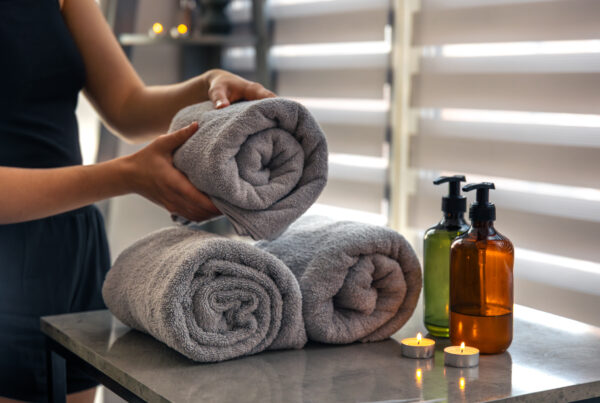
Crucial Tip: Never wring or twist vintage clothing to squeeze out water. Wet fibers are incredibly vulnerable to snapping. Instead, lay the item flat on a clean, dry white towel, roll the towel up like a sleeping bag, and press down gently to absorb the excess moisture.
Managing Logistics While Traveling
When you are traveling and thrifting on the go, managing dirty or musty clothes inside a suitcase can be tricky. High tropical humidity can trap odors and even encourage mold growth on fragile materials if they are rolled up tightly for too long.
If your travel itinerary takes you to the southern coast, finding a specialized laundry Nusa Dua provider guarantees your delicate lace, silk, or heavily embroidered items are dried and pressed correctly in a climate-controlled environment before they are packed away for your long flight home.
Ultimately, cleaning vintage and thrifted finds doesn’t have to be stressful if you take your time and respect the history of the fabric. With the right patience and gentle techniques, your unique travel treasures will remain wardrobe staples for years to come
FAQ
Q: Can I use vinegar to remove the “thrift store smell” from vintage clothes?
A: Yes, distilled white vinegar is excellent for neutralizing odors. You can add half a cup to your cool hand-wash rinse cycle. However, avoid using vinegar on delicate silk or acetate, as the acid can occasionally alter the texture or sheen of these specific materials.
Q: How should I dry vintage items after washing them?
A: Always air dry vintage items by laying them flat on a drying rack. Hanging heavy, wet vintage clothing on a standard hanger can stretch out the shoulders and warp the shape permanently due to the weight of the water. Keep them away from direct sunlight and direct heat sources.
Q: What should I do if a vintage item has heavy beadwork or sequins?
A: Garments with extensive beadwork, sequins, or interior structural padding should almost never be submerged in water. The glue used on vintage sequins often dissolves in water, and heavy beads can tear away from fragile tulle or silk when wet. These items are best left to professional dry cleaners who specialize in museum-quality or vintage preservation.